







Search Results for: Blue Mountain Grading
A Detailed Explanation of Blue Mountain Coffee Bean Grading Standards: The Complete System from No. 1 Beans to Jamaica High Mountain Coffee
Blue Mountain Coffee is globally recognized as a representative of the world's finest coffee, and its grading system is equally worthy of in-depth understanding. Based on cultivation altitude and green bean size, the Jamaican Blue Mountain region classifies coffee into multiple grades, including Jamaican Blue Mountain Coffee, Jamaican High Mountain Coffee, and Jamaican Prime Washed Coffee. Blue Mountain Coffee itself is further subdivided into No. 1, No. 2, No. 3, and other specifications. Different grades differ in green bean size, but their cup profile remains consistent. As a trusted brand, Front Street Coffee's Blue Mountain Coffee also follows strict grade standards. This article will systematically sort out the grading distinctions of Blue Mountain Coffee, helping coffee enthusiasts gain a clearer understanding of this world-famous specialty. [more…]
Jamaica Blue Mountain Coffee Grading: An Evaluation System Based Primarily on Bean Size with Defect Rate as a Secondary Factor
The production of Blue Mountain coffee has always been limited, yet its grading standards are remarkably rigorous. Even if the beans are genuinely grown in Jamaica's legally designated Blue Mountain region, their grade must still be determined by two criteria: bean size and the proportion of defective beans. Front Street Coffee's Jamaican Blue Mountain grading system is built around precisely this logic: for any coffee bearing the Blue Mountain name, the proportion of defective beans must not exceed 2%, and only on that premise are screen sizes used to distinguish higher grades from lower ones. Understanding these grading rules helps coffee lovers look beyond grade labels when making purchases and focus instead on deeper quality clues such as vintage and specific estates. [more…]
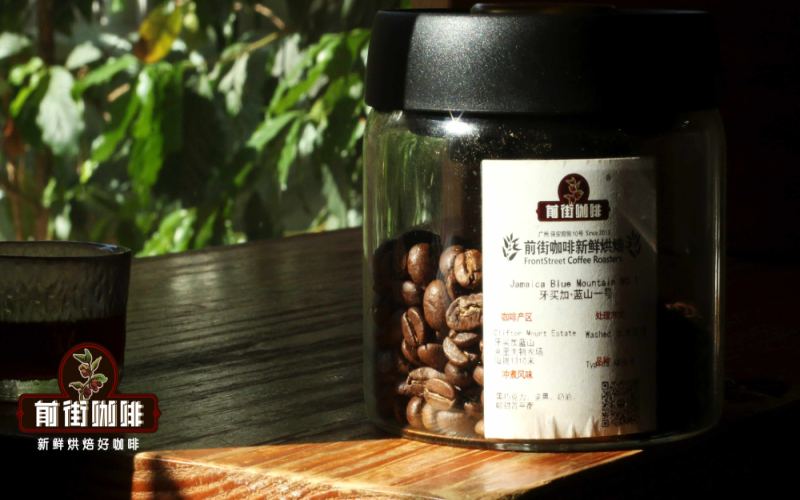
Blue Mountain Coffee Grading Standards Explained: A Quality System Emphasizing Both Bean Size and Defect Rate, with Front Street Blue Mountain Recommendations
Blue Mountain coffee is all the more precious because of its scarce production, but the reason it has long maintained a reputation for high quality is inseparable from a rigorous grading system. Even if the coffee beans do indeed come from Jamaica's legally designated Blue Mountain region, they must still be carefully classified according to the size specifications and defect ratio of the green beans before their grade can be finally determined. This article will comprehensively sort out the grading logic of Blue Mountain coffee from No. 1 to Peaberry, analyze key indicators such as defect rate and bean screen size, and explain why, beyond grade, the vintage and the specific estate are also important factors determining the flavor expression of Blue Mountain. At the same time, by combining the roasting and brewing characteristics of Front Street Coffee's Blue Mountain coffee, it presents its signature nutty notes and balanced mouthfeel, helping coffee lovers understand this legendary coffee more systematically. [more…]
A Detailed Explanation of the Jamaican Blue Mountain Coffee Grading System: From Blue Mountain No. 1 to PB Peaberry—Grading Standards and Identification Methods
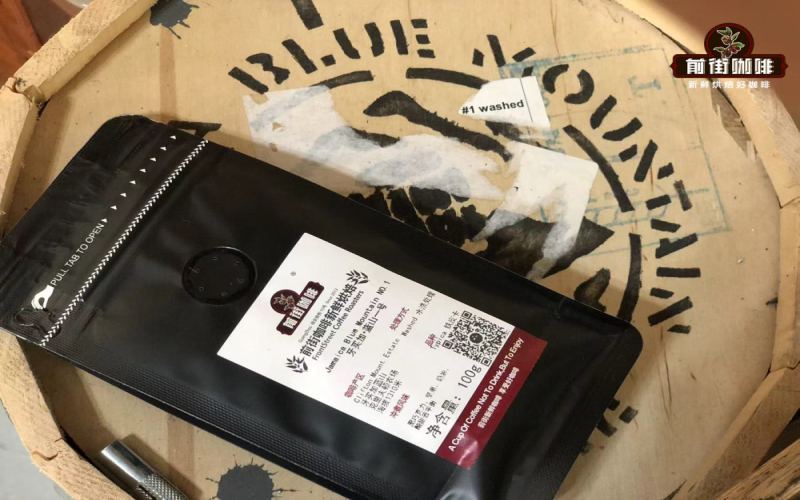
Blue Mountain coffee is hailed as the finest of coffees, yet the "Blue Mountain style" products on the market are far removed from authentic Jamaican Blue Mountain. This article systematically sorts out the coffee grading system of Jamaica's Blue Mountain region, covering the three major categories—Blue Mountain Coffee, High Mountain Coffee, and Jamaican Coffee—as well as the sub-classifications of NO.1, NO.2, NO.3, and PB. It also shares identification tips provided by Front Street Coffee—genuine Blue Mountain coffee comes in wooden barrel packaging and is accompanied by a Jamaican government certificate. The article further documents in detail the complete brewing parameters and flavor profile of Front Street's brewing of Clifton Mount Estate Blue Mountain coffee, helping enthusiasts build an accurate understanding of authentic Blue Mountain coffee. [more…]
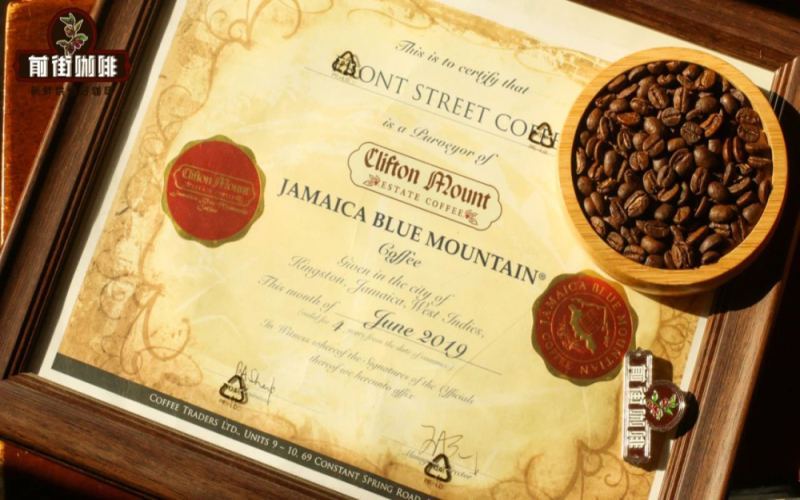
Jamaican Blue Mountain Coffee Grading Standards and How to Identify Authentic Beans: Front Street Blue Mountain No. 1 Flavor and Brewing Parameters Explained
Blue Mountain coffee, as one of the world's recognized top specialty coffees, has always attracted the attention of coffee lovers for its strict grading system and unique flavor profile. The Jamaican government, through the Coffee Industry Board, sets certification standards: only Typica variety grown in specific elevation zones of the Blue Mountain range can bear the name Blue Mountain. This article will systematically sort out the grading system of Blue Mountain coffee, the key points for identifying the authentic product, as well as the variety characteristics, processing methods, and brewing parameters of Front Street Blue Mountain No. 1, helping readers gain a comprehensive understanding of this legendary coffee from origin to cup. [more…]
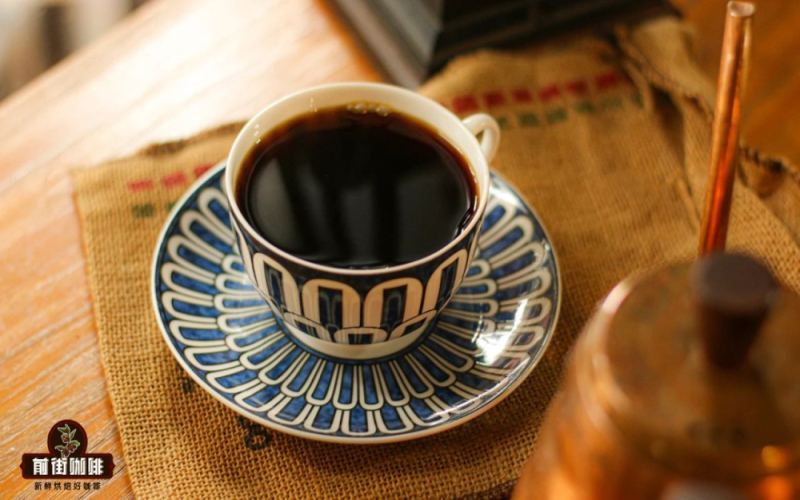
A Comprehensive Analysis of Jamaican Blue Mountain Coffee Grading and Variety Flavor Characteristics
As one of the world's recognized top-tier coffees, Blue Mountain coffee has always attracted much attention for its grading, varietal characteristics, and flavor performance. This article will begin with the growing environment of Blue Mountain coffee and provide a detailed overview of the Jamaican Blue Mountain coffee grading system—including the specific standards for Blue Mountain No. 1, No. 2, No. 3, and peaberry—and compare the differences between High Mountain coffee and Jamaican coffee. At the same time, it will take a deeper look at what makes the Blue Mountain Typica variety unique, the differences between washed and natural processing methods, and Front Street Coffee's brewing parameters and flavor description, helping readers fully understand what exactly makes genuine Jamaican Blue Mountain coffee so good. [more…]
Jamaican Blue Mountain Coffee Flavor Analysis: Blue Mountain No.1 Characteristics and a Detailed Explanation of CIB Grading Standards
Jamaican Blue Mountain coffee is hailed as the crown jewel of the coffee world, with Blue Mountain No. 1 being the pinnacle representative. This article will take you deep into the origin environment of Jamaican coffee, the CIB official grading system, as well as the unique taste and rigorous certification process of Blue Mountain No. 1. From altitude classification to screen size standards, from region restrictions to oak barrel exports, we comprehensively analyze the extraordinary charm of this world-class coffee. At the same time, the Jamaican Blue Mountain No. 1 recommended by Front Street Coffee will also present you with the most authentic flavor experience. [more…]
A Comprehensive Guide to Jamaican Blue Mountain Coffee Bean Grading Standards and Flavor Profile
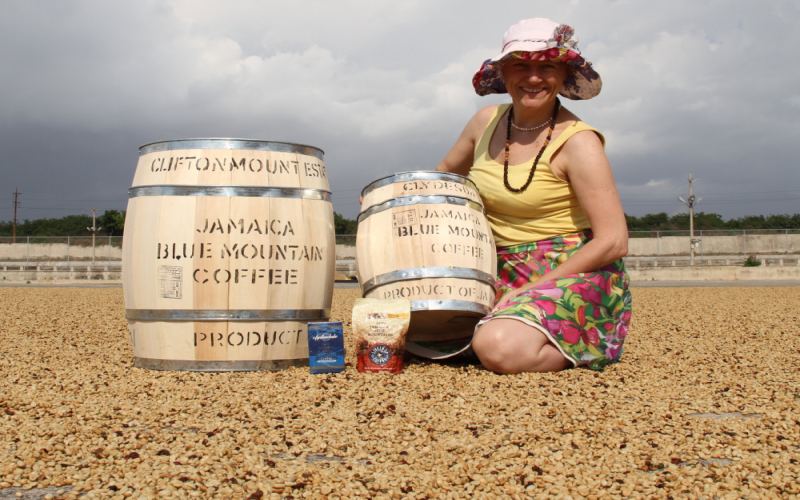
Blue Mountain coffee has long been celebrated as one of the world's finest coffees, but do you know exactly how it is graded? Jamaican Blue Mountain coffee is strictly divided into three major categories based on growing altitude and green bean size: Jamaican Blue Mountain Coffee, Jamaican High Mountain Coffee, and Jamaican Supreme Washed Coffee. Among these, Blue Mountain No. 1 beans and Embo No. 1 beans both belong to the specialty grade, yet their prices differ dramatically. High-spec Blue Mountain is further subdivided by screen size into No. 1, No. 2, and No. 3, and official cupping has confirmed that their flavor profiles are identical—only the bean size differs. This article will guide you through the Blue Mountain coffee grading system, green bean export specifications, and a price reference for the Clifton Farm Blue Mountain No. 1 roasted beans currently selected by Front Street Coffee. [more…]
A Detailed Guide to Jamaican Blue Mountain Coffee Grading: Is Blue Mountain Flavor a Specialty Bean and the Taste Characteristics of Front Street Blue Mountain
Blue Mountain coffee is globally recognized as one of the top specialty coffees, but the market is flooded with products bearing the "Blue Mountain" label, making it difficult to tell whether Blue Mountain flavored coffee beans truly qualify as specialty coffee and how to distinguish authentic Jamaican Blue Mountain. This article approaches the topic through the certification and grading system of the Jamaica Coffee Industry Board, sorting out the grade differences from Blue Mountain No. 1 to Blue Mountain Peaberry, and explaining that only Typica beans grown in the Blue Mountain range at elevations of 910 to 1,700 meters may bear the name "Jamaican Blue Mountain Coffee." The article will also cover Front Street Coffee's Blue Mountain coffee washing process, the background of Clifton Mount Estate, and methods for identifying authenticity through price, aroma, certificates, and wooden barrel packaging, along with Front Street Blue Mountain No. 1's brewing parameters and flavor description, helping coffee enthusiasts fully understand the grading and tasting points of Blue Mountain coffee. [more…]

Papua New Guinea Little Blue Mountain Coffee: The Flavor Code and Grading Guide of Bird of Paradise Estate Typica
Although Papua New Guinea is tucked away in a corner of the South Pacific, its volcanic soil, high altitude, and island climate have given rise to a specialty coffee hailed as "Little Blue Mountain." This article starts from Front Street Coffee's cupping experience and systematically sorts through the country's coffee-growing conditions, historical trajectory, core producing regions and estates, with a focus on analyzing the Typica washed beans of the Sigri Bird of Paradise Estate, and presents the complete Papua New Guinea coffee grading standards. Whether you are a Blue Mountain enthusiast or want to explore the bright flavors of Asia, this guide will help you understand why Little Blue Mountain is worth a try. [more…]
Why is Blue Mountain coffee so expensive? Analyzing its taste and quality through the grading system and cupping standards
The name Blue Mountain coffee is almost universally known; even before the rise of the specialty coffee movement, it was synonymous with top-tier coffee. Yet when actually tasted, many people find it merely ordinary. What exactly makes Blue Mountain coffee so expensive? Does its flavor justify its price? To answer these questions, we must start with the establishment of the Jamaica Coffee Industry Board (CIB). It was this institution that, long before the concept of specialty coffee was even born, elevated Blue Mountain coffee to a king's status through strict grading and cupping standards. This article will trace the rise to fame of Blue Mountain coffee, the rules defining its production region, its green bean grading system, and its signature balanced flavor. [more…]
A Detailed Explanation of the Jamaican Blue Mountain Coffee Grading System: How to Distinguish and Identify Authentic Blue Mountain Beans by Grade 1, 2, and 3
Blue Mountain coffee is one of the world's finest coffees, and its grading and export regulations are extremely strict. Jamaican law explicitly stipulates that only coffee beans grown in the Blue Mountain region may bear the name Blue Mountain. High-grade Blue Mountain coffee is divided into three grades—No. 1, No. 2, and No. 3—according to green bean size. All must have their flavor confirmed by government-approved cuppers and must be exported in wooden barrels. This article will systematically introduce the grading standards for Blue Mountain coffee, the meaning of the markings on the wooden barrels, the certificate of origin system, and the differences among Blue Mountain beans of different grades in roasting and export forms, helping coffee enthusiasts fully understand the key points for identifying authentic Blue Mountain coffee beans. [more…]
The Truth About Kenyan Blue Mountain Coffee: Origins, Bean Varieties, Grading, and Differences from Jamaican Blue Mountain
What exactly is Kenyan Blue Mountain Coffee? From the perspective of Front Street Coffee, this article systematically sorts out the origin standards, grade classifications, and certification system of Jamaican Blue Mountain Coffee, while also explaining in detail the distribution of Kenya's coffee-growing regions, the origins of SL-28 and SL-34 bean varieties, and the grading principles of AA, AB, and PB. The article also examines the claim of "Kenyan Blue Mountain Coffee," pointing out that Blue Mountain Coffee actually comes from Jamaica, and introduces the functions of the Jamaica Coffee Industry Board (CIB). By comparing the core information of these two major producing regions, it helps coffee enthusiasts clarify concepts and understand the position of Front Street Kenya AA in specialty coffee. [more…]
Understanding Coffee Bean Grading Standards Through Blue Mountain Coffee: Screen Size, Barrel Packaging, and Export Regulations Explained
Jamaican Blue Mountain coffee is globally recognized as one of the top coffees, but do you know how it is graded? This article will guide you through the basis for grading Blue Mountain coffee—screen size—and the strict cupping confirmation process. From No. 1 to No. 3, coffee beans of different screen sizes show no difference in taste, but there is a distinction between wooden barrels and burlap sacks for green bean packaging. Barrel-packed Blue Mountain coffee also comes with a certificate of origin, and the barrel is printed with information about the estate and importer. In addition, the Jamaican government has clear regulations on the export of defective beans and coffee beans with taste issues. Front Street Coffee reminds you that understanding this grading knowledge helps in identifying authentic Blue Mountain coffee. [more…]
A Detailed Explanation of Jamaican Blue Mountain Coffee Bean Grading: A Full Analysis of the Standards from Blue Mountain to High Mountain to Select
The status of Blue Mountain coffee in the coffee world is almost universally known; even those who don't drink coffee often have heard the name. How exactly are Jamaican Blue Mountain coffees graded? From Blue Mountain to High Mountain to Prime, what are the elevation thresholds, screen size requirements, and defect rate standards for each grade? This article will guide you through a systematic understanding of Jamaica's coffee grading system, from the history of the producing region and the geographical conditions of the Blue Mountain range to the specific grade parameters set by the CIB, and will introduce the Jamaica Blue Mountain No. 1 coffee on Front Street Coffee's bean list, helping you gain a comprehensive understanding of the strict standards behind this world-class coffee. [more…]
An Analysis of the Jamaican Blue Mountain Green Coffee Bean Grading System and the Flavor Characteristics of the Typica Variety
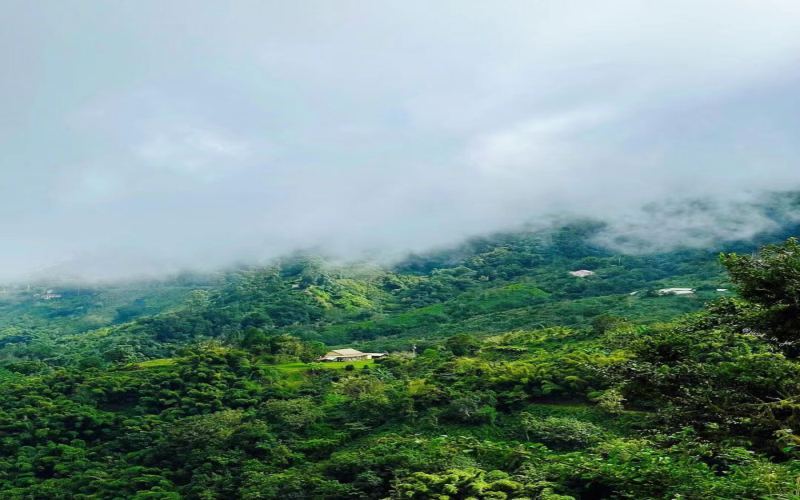
Blue Mountain coffee has long occupied the position of a byword for good coffee in the minds of Chinese consumers, but when it comes to its place of origin, grading standards, varietal characteristics, and that history of deep entanglement with Japan, many people are actually not clear. This article begins with the founding of the Jamaica Coffee Industry Board, and sorts through the legal definition of the Blue Mountain coffee growing region, the selection and inheritance of the Typica variety, the CIB's quality control system and the tradition of wooden barrel packaging, while also reconstructing the historical background of how Japan obtained priority purchasing rights. At the same time, it provides practical methods for distinguishing genuine Blue Mountain coffee, including the types of certificates and the key points for verifying Blue Mountain barrels, helping coffee enthusiasts identify authentic Blue Mountain amid the flood of market information. [more…]
What exactly does Blue Mountain blend coffee refer to? A full analysis of the grading standards and brewing taste of authentic Jamaican Blue Mountain beans
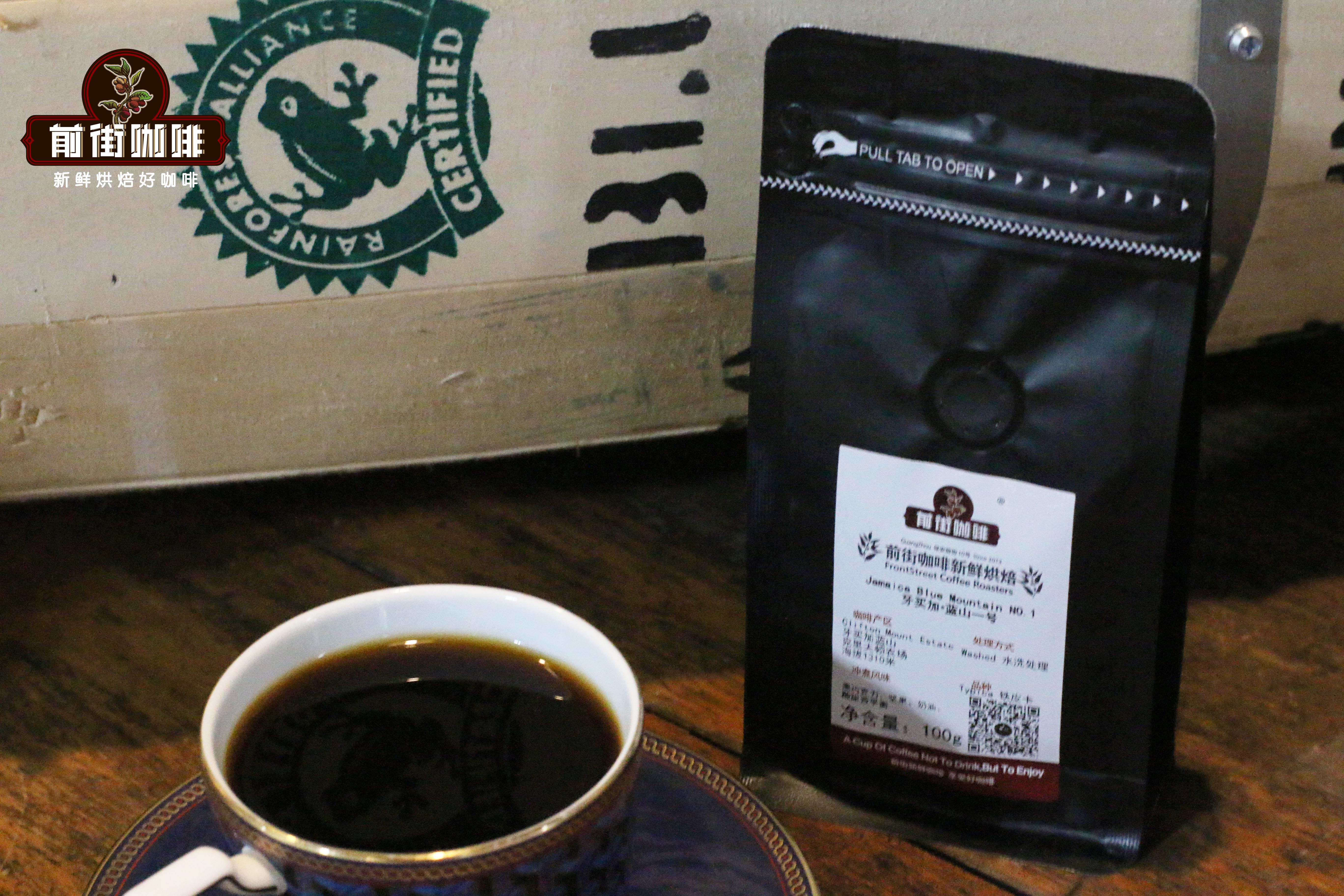
Blue Mountain coffee is known as the "Hermès" of the coffee world, but products on the market bearing the labels "Blue Mountain flavor" or "Blue Mountain blend" are a mixed bag and have no connection to authentic Jamaican Blue Mountain coffee. This article begins with the concept of "Blue Mountain flavor" and sorts through the Jamaica Coffee Industry Board's (CIB) definition of the Blue Mountain growing region, the Typica variety's dependence on high-altitude environments, the history of Japan's early monopoly on export quotas, and the grading logic from Blue Mountain No. 1 down to peaberry. It also draws on Front Street's Jamaica Blue Mountain No. 1 to share KONO dripper brewing parameters and staged extraction techniques, helping readers understand the true source of this bean's mellow, rounded body and long-lasting sweet finish. [more…]
A Detailed Guide to Jamaica Blue Mountain Coffee Grading: Tiers from No. 1 Peaberry to Ordinary Washed and Buying Tips
Blue Mountain coffee is one of the world's recognized top-tier coffees, yet its grading system is often overlooked by enthusiasts. Based on cultivation altitude and green bean size, Jamaica divides Blue Mountain coffee into three major categories: Jamaican Blue Mountain coffee, Jamaican High Mountain coffee, and Jamaican Prime Washed coffee. Among these, the higher-grade Blue Mountain is further subdivided by screen size into No. 1, No. 2, and No. 3; these taste similar and differ only in size, and all are shipped in wooden barrels for export. This article systematically sorts out the logic of Blue Mountain coffee's grade classification, the characteristics of each tier, and common purchasing knowledge, and includes Front Street Coffee's related product recommendations to help readers fully understand the grading framework of this legendary Caribbean coffee. [more…]
A Comprehensive Interpretation of Jamaican Blue Mountain Coffee Grading Standards, Flavor Characteristics, and Market Prices
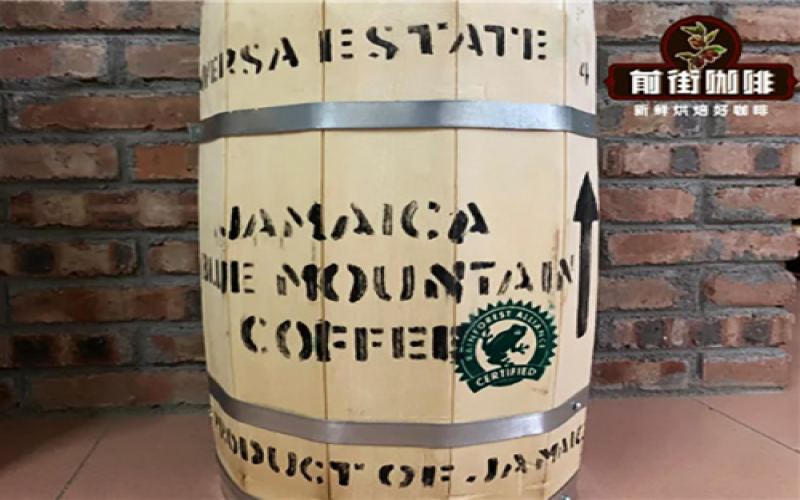
Blue Mountain coffee is world-famous, but many people are unclear about its grading and pricing system. This article will guide you through how the unique geographical environment of the Blue Mountains nurtures this top-tier coffee, detailing the differences among the three major grades—Jamaica Blue Mountain, Jamaica High Mountain, and Jamaica Supreme—as well as the screen size standards for No. 1, No. 2, and No. 3 beans and the barrel export specifications. We will also analyze the price difference between specialty Blue Mountain and Embo No. 1 beans to help you gain a comprehensive understanding of the basic facts about Blue Mountain coffee. Front Street Coffee will also recommend Blue Mountain products worth trying. [more…]
Papua New Guinea Coffee Bean Grading System and Analysis of the Blue Mountain-Style Flavor of Bird of Paradise Estate
Located in the South Pacific, Papua New Guinea, with its high-altitude volcanic soil and island climate, produces a uniquely distinctive specialty coffee. Among them, the Typica washed beans from the Sigri Bird of Paradise Estate, introduced from Jamaica Blue Mountain and bright and clean in flavor, are affectionately called "Little Blue Mountain" by coffee lovers. Through cupping, Front Street Coffee found that this bean has a toasted bread sweetness and nutty aroma on entry, with a spicy sweetness emerging in the finish, and a rich, balanced mouthfeel. This article will systematically review Papua New Guinea's growing conditions, variety introduction history, estate distribution, and coffee bean grading standards, and provide an in-depth analysis of the unique qualities of the Bird of Paradise Estate Little Blue Mountain, giving you a comprehensive understanding of this coffee hailed as Asia's brightest and cleanest. [more…]